
Welcome to Level-Headed!
Most of you already know me, but for those who don’t, my name is Angelo (some of you know me as ArrenSol) and I play video games. In fact, I played a lot of them this year! For a while, I thought maybe I would write more focused reviews about each of them, but I decided on a big clumsy Year-In-Review feature to just say a bit about everything all at once and prep myself to start fresh in 2026.
2025 was a weird year for me; a lot happened, especially in the back half of the year, most of it not great and some of it downright awful. I made a lot of wonderful new friends and got to spend time with them both on and offline, I got older, I lost a dear family member, and I lost other stuff you’ll hear more about down below. Through it all, games new and old were a bastion of comfort and stability, so I thought I’d share a little bit of my thoughts about everything I saw credits on this time around. Every date you see here is the date I saw credits on, not the game’s release date, though that’ll be more obvious with some titles than with others. Let’s get started.
Ys Memoire: The Oath in Felghana – JAN 18
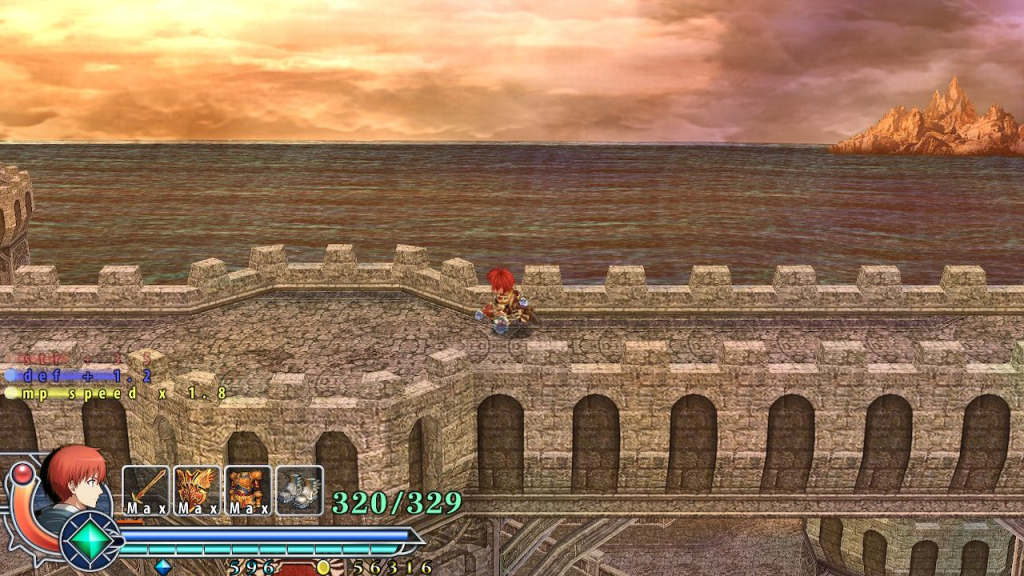
Ys is a huge favorite of mine, so what better way to kick off 2025 than with a remake/rerelease of my favorite title in the series? Oath is a masterful recreation of the oft-maligned Ys III: Wanderers from Ys, preserving and expanding upon the core parts of the story while overhauling the gameplay to line up with more modern Ys fare. Memoire doesn’t really change too much about the game from there but does tack on some soundtrack and art gallery options not originally present in Oath’s past western releases.
In terms of gameplay, Oath is the same action-packed adventure it ever was. Adol gains temporary stat buffs from killing enemies, making momentum the key to a smooth trip through the game’s titular Felghana region. Progression is fairly linear and it does suffer a little bit from classic Falcom level scaling issues that I’ve agonized over for years (maybe more on that eventually), but if you’re a fan of a classical fantasy story with some pretty intense boss fights and a banging soundtrack, this is still an easy recommend. I’m just happy to see it super easy to reach on the Switch.
Blade Chimera – JAN 23
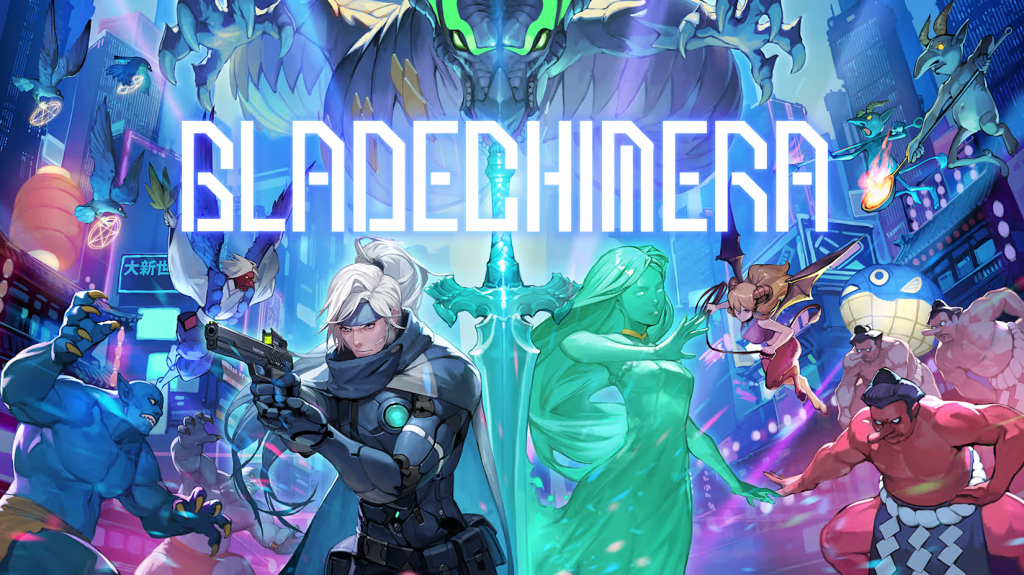
Any fan of metroidvania games owes it to themselves to play Team Ladybug’s (Touhou Luna Nights, Deedlit in Wonder Labyrinth) Blade Chimera, their newest (and first original) joint. Originally set to release some time in 2024, a number of delays and a worryingly-long period of absolute radio silence after the demo’s debut kept it off the table until just shy of its Jan 15 release. Thankfully, it all seemed to be for the best — I had no shortage of 2024 games to play in the interim — and the full release really showed further proof of Team Ladybug’s chops.
Blade Chimera’s major gameplay gimmick centers around the demon companion Lux, a shapeshifting spirit that has the ability, among other things, to manipulate time around specific objects. My misgivings about Record of Lodoss War: Deedlit in Wonder Labyrinth were pretty exclusively about how the team set up, but didn’t expand on core gameplay ideas, so I was very pleased to see them learn their lesson and really lean in on the time rewinding stuff. The gimmick is used to form barriers, activate switches, and even temporarily restore broken objects like machinery to uncover clues about the world that amnesiac protagonist Shin finds himself in.
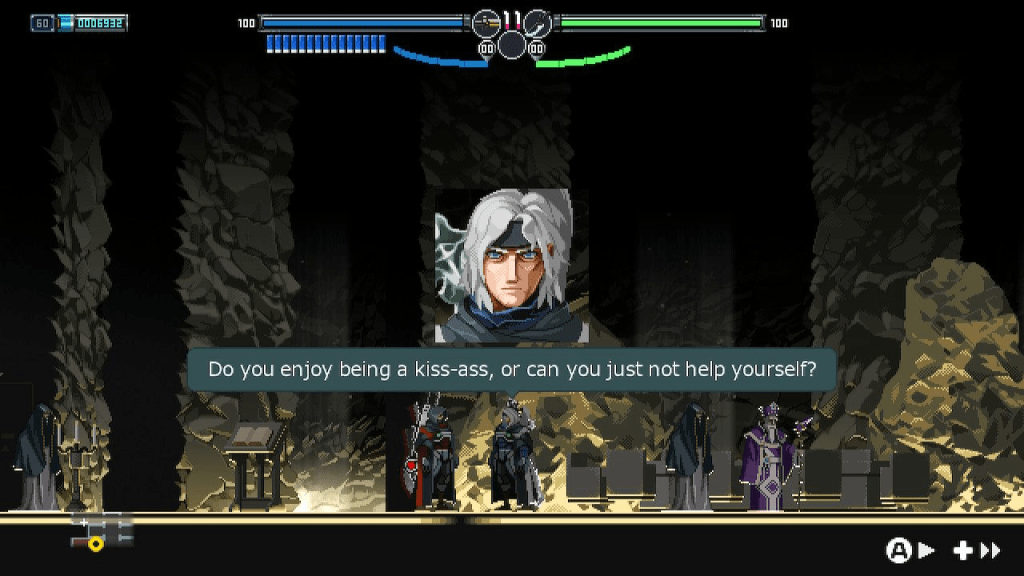
Perhaps above all, this game has some drop-dead gorgeous pixel art and effects, and the moment-to-moment action closely resembles both its predecessor and some of the great 2D Castlevania games like Aria of Sorrow. BC also features a skill point leveling system to unlock a lot of traversal options, making combat more of a means to an end than a mere obstacle like in a lot of other new age MV fare. Running and gunning around this yokai-infested techno-future Japan in search of the next neat weapon or secret item was definitely my speed and there were enough little secrets to keep me poking around for 100% completion (and a true ending). It’s a must-play for fans of the genre. I wouldn’t be surprised if I revisited it before too long.
No Case Should Remain Unsolved – JAN 31
Alas, I had somewhere else to visit at the end of January — Japan! My trip to Hokkaido and Tokyo was about 2 weeks long and quite busy, so I didn’t get a ton of time to just zone out and play video games, but I did get to check out No Case Should Remain Unsolved while on the long flight across the Pacific. After seeing Famitsu’s breakdown of JP developers’ favorite games of 2024, I had to know what they saw in this game I hadn’t heard of, so I loaded it up on my Switch for the long haul and wasn’t disappointed.
Without spoiling anything, No Case is a text-based mystery that delves into a cold case about a missing child. You’re tasked with piecing together snippets of conversations between the game’s cast, manifesting in the form of a digital bulletin board to organize and track key terms and evidence. These text-based adventure games are so often only as good as their writing, and No Case is simple but effective in that regard. Slin Jung’s translation deftly navigates the intricacies of the case, accompanied by a lovely, if low-key, soundtrack.
I don’t want to give too much away, so I’ll leave it at that and absolutely suggest that you go play if you’re curious. It’s only like a 3-4 hour play at maximum, so you really couldn’t do better than getting cozy somewhere and giving it a look. You’d already be better off than me cramped on the plane dripping tears on my Switch screen.
Warriors: Abyss – FEB 16
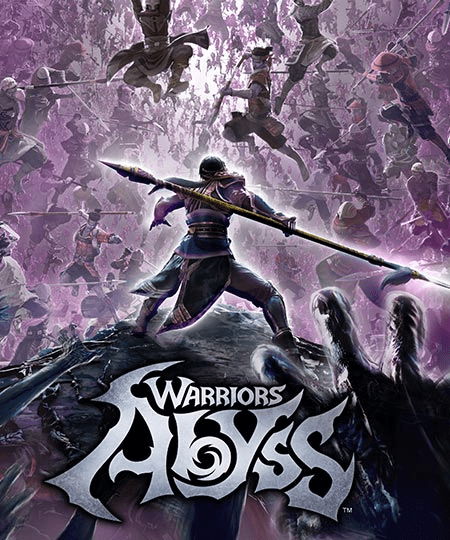
With my trip nearly at an end, Koei Tecmo decided they’d surprise me with a State of Play shadowdrop in the form of Warriors: Abyss. Warriors/Musou games have always sort of been a weakness of mine, and Abyss further distills the series’ gameplay down to its most basic part: whoopin’ tons of ass. Warriors: Abyss further diverts from the standard Warriors schtick, adopting a roguelike structure that sends these heroes on repeated runs through what is essentially hell to gather augments and allies to challenge corrupted spirits. Semi-historical implications aside, it makes for a pretty fun loop.
I have to assume that Koei Tecmo saw the success of Hades, had a bunch of preexisting assets laying around, and decided to take a hack at its own version. I don’t expressly mean that to suggest that it’s solely derivative of Hades knowing that Hades is certainly a more curated thing, but the inspirations were pretty clear to me. It sets itself apart, though, by allowing you to collect other Three Kingdoms and Warring States heroes to add to your retinue during a run, expanding move sets and allowing for some real nasty team up attacks. Abyss handles the chaos fairly well, and reaching that state where you know you’re headed to the promised land thanks to an invincible build is always a pretty satisfying feeling:
(Final boss spoilers in the video, if you care)
I happened to play it at the perfect time, since it wasn’t really easy to sit down for longer deals on vacation. I ended up with a few clears, got home on the 15th, and ran credits before moving on with my life. Kinda peak stim toy behavior.
ESP Ra.De. Psi – FEB 18
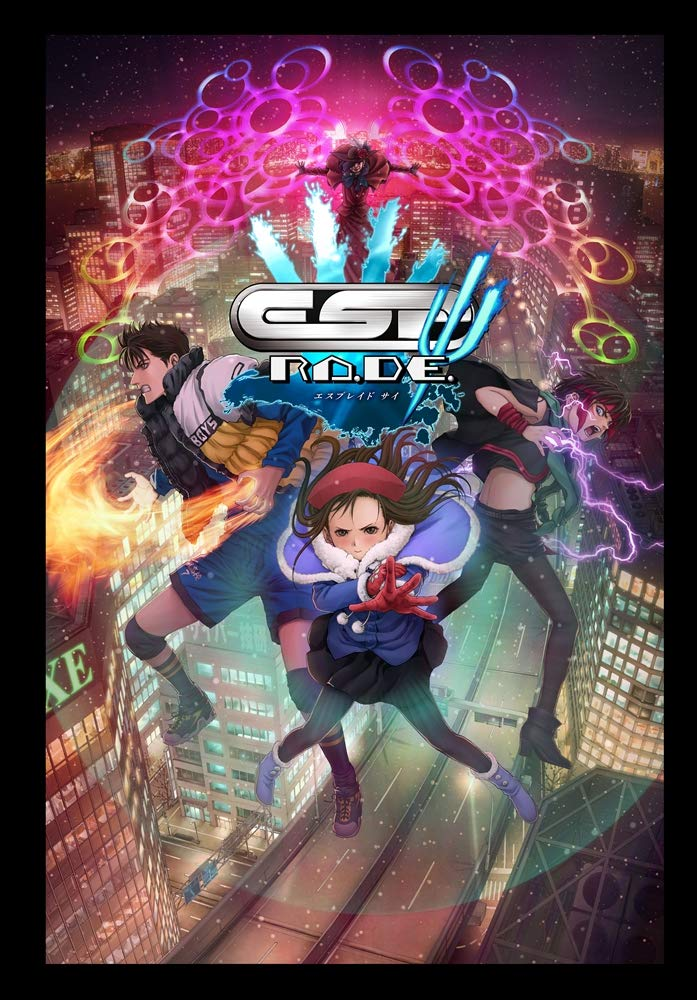
My trip wasn’t going to be complete without some perusing of game shops for gaps in my library. After my run-in with Sin & Punishment last year, I felt the urge building to check some more shoot ’em ups out, and I had it on good authority that ESP Ra. De. (particularly the Psi rerelease on Switch) was one worth owning for genre literacy. Esprade pretty quickly became my go-to on train rides where I could afford the space to bust out the Switch, drawing me in with some unreal detailed pixel art, a serious learning curve, and an active defensive mechanic (a barrier system that consumes an energy gauge to erase incoming bullets) that reminded me of one of my favorite bullet hell games of all time, Giga Wing.
Psi, the console port, even has an interesting “solution” for would-be players looking to clean the game up with a millionaire mindset: players are restricted from inputting any more than a single credit for their first play, increased by one every time they get a game over until reaching 9 possible credits. In practice, it means only the most genre-seasoned of newcomers (or those intimately familiar with the game) would reasonably reach the end of a playthrough, and really enforces learning how to play the game instead of just death farming your way to credits, even if you can just slam 9 fake coins to get there eventually. (I slammed 9 fake coins to get there eventually. I’ve since whittled it down to about 4-5.) I’m certainly not aiming for the fabled 1 credit clear, at least not any time soon, but it was really cool to see first hand why Cave is such a revered developer of these games. My foray into the danmaku dimension continued with a spinoff, and another game I confidently bought not knowing whether or not it’d be to my taste…
Espgaluda II – FEB 21

But again, some folks I trust immensely with their game opinions had nothing but glowing things to say about Espgaluda II, so I figured I’d snag it off the shelf at a discount while I was still able. (Espgaluda II is no longer sold on the Switch eShop due to the publisher’s license expiring, and the Limited Run version is prohibitively pricy compared to the JP release.) It’s now a worthy rival of Giga Wing as one of my favorites!
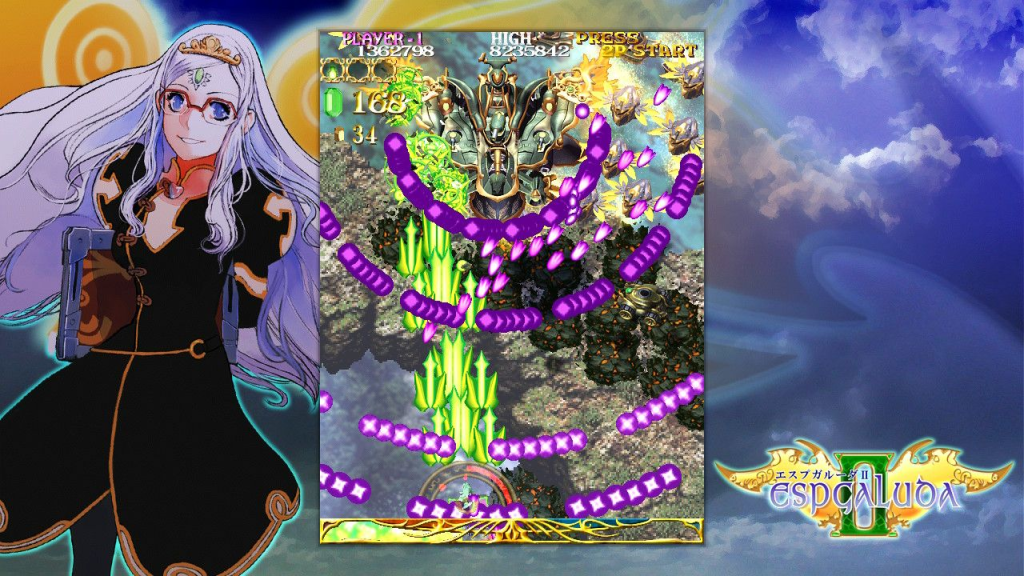
As a spinoff title, EG2 builds off of Esprade’s foundation (and its own predecessor) by bringing back the ESP barrier mechanic alongside high-risk high-reward “overdrive” states that exchange high scores and damage for increased bullet density and other risks. I’m not really one for the score attack — as a danmaku tourist, I’m mostly just here for the sights — but EG2 still nails the vibe check with a gorgeous fantasy steampunk aesthetic and some especially stunning background work. In a genre that’s so demanding of focus, it’s probably not great to be getting distracted by the backgrounds going every which way, but I did think this was ultimately a touch easier than Esprade so I could afford some slip-ups on my way to a clear. All the arcadey action kept me busy until the first major release of the year.
Monster Hunter Wilds – MAR 5
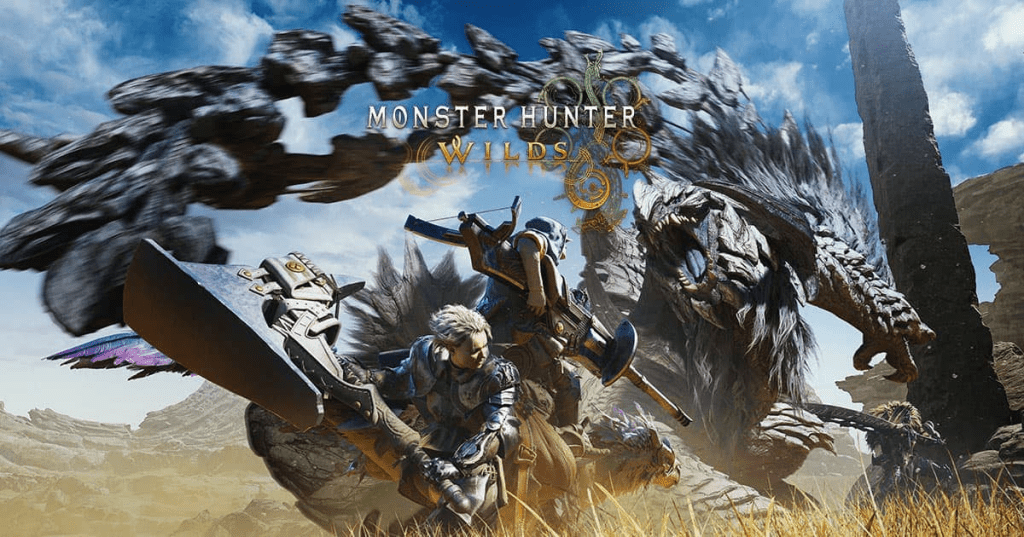
In my opinion, the first of many 2025 heaters. I love Monster Hunter — been playing since late 2008 when a flood damaged arcade cabs at my school and forced all the fighting game sickos to pick up something a little more portable — and Wilds isn’t an exception to my adoration. Sure, I have my nitpicks (MH early games sadly always trend toward extensive onboarding and Wilds doesn’t do enough to change that, the story is largely uninteresting, there are a few too many mechanical ideas trying to cook at once) but it’s really hard for me to not have a good time booting up with friends to dunk on some big critters, no matter the era.
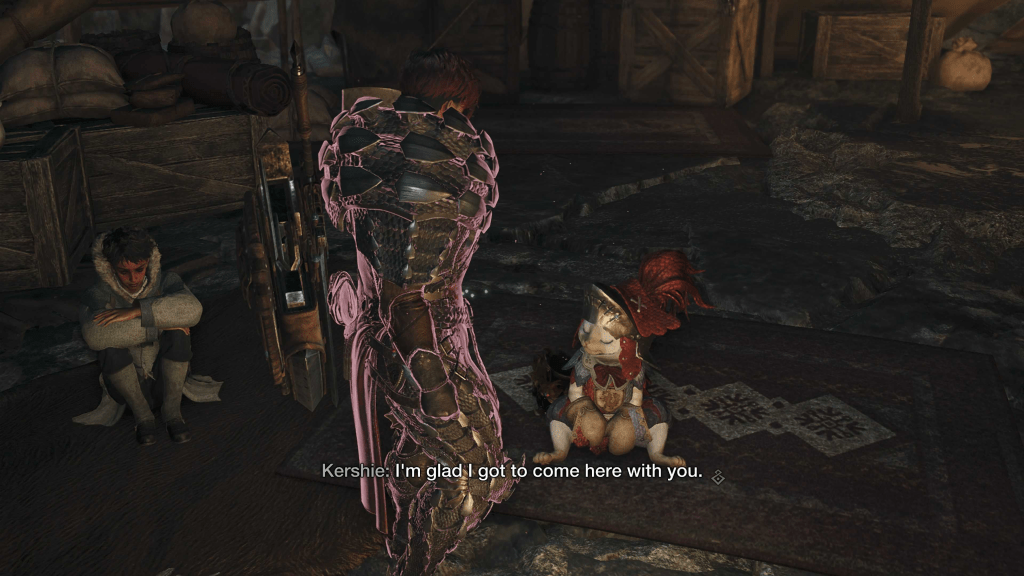
Over the years I’ve definitely cooled off on the MH formula, and don’t spend nearly as much time on the grind (hundreds of hours each on 4 Ultimate and Generations will probably never be repeated), but it’s nice to know that I can always go back home for a bit. I really do love the idea of having a bunch of interconnected zones, almost making this an “open-ish” world Monster Hunter title, but the implementation left me feeling a bit wanting for substance. There’s not really a ton of reason to be out and about exploring the regions outside of going on specific hunts unless you’re specifically trying to hunt time, too. I’ve only been back since launch one time, to see the glorious return of my beloved Lagiacrus, so a lot of the general improvements are lost on me until I make another pass to check out Omega and Gogmazios.

Favorite new monster: Rey Dau
Favorite returning monster: Lagiacrus
Favorite weapon in Wilds: Charge Blade
Favorite area: Flooded Forest
Yu-Gi-Oh! Worldwide Edition: Stairway to the Destined Duel – MAR 10
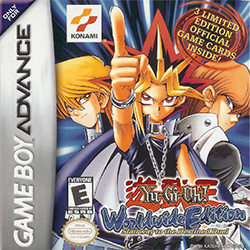
Speaking of stuff I used to play, I picked up the Yu-Gi-Oh! Early Days Collection shortly after its release, looking to revisit some of the classic style of the Yu-Gi-Oh TCG while learning all about the RPGs I never played like Reshef of Destruction and The Sacred Cards. YGOWW was my bread and butter back in high school along with The Eternal Duelist Soul, allowing me to play stuff approaching meta during the games’ release windows without having to spend money I didn’t have on physical cards. This was a nice little excursion for nostalgia’s sake, ’cause I just can’t hang with what the TCG’s become.
Fire Emblem Warriors: Three Hopes – MAR 11
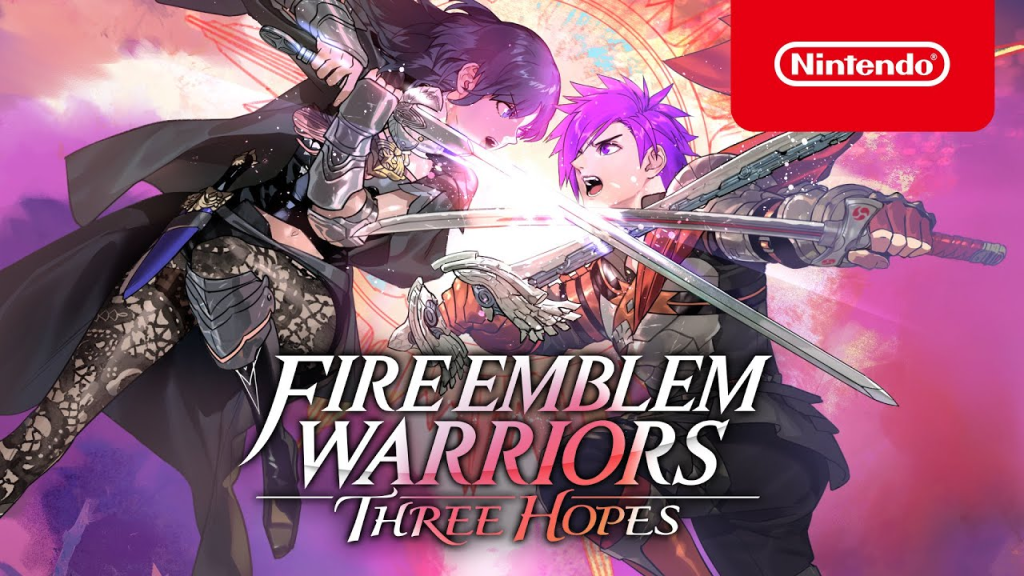
After getting home and while waiting for Wilds to drop, I decided I’d finally see what Fire Emblem Warriors: Three Hopes was about. Midway through one of the campaigns, Wilds dropped and I ended up relegating 3H to my sleepy-time gaming hours, where I’d get a skirmish or two down before falling asleep during the week.
As Warriors games go, I think Three Hopes is among the best of them mechanically; there are fewer “unique” characters in the strictest sense but the skills and break systems make maps a lot more involved than just mashing the same buttons until you’ve KO’ed A Thousand Guys. Directing a squad of characters around to cover objectives feels more strategic than ever, bosses having specific breakpoints makes character choices matter on every map, and the Three Houses-esque camp intermissions make Three Hopes feel more like an action RPG than a lot of other Warriors games. You might say, “Well, Samurai Warriors 5 and even the original Fire Emblem Warriors do that too!” to which I’d reply that neither of them have Marianne von Edmund in them.
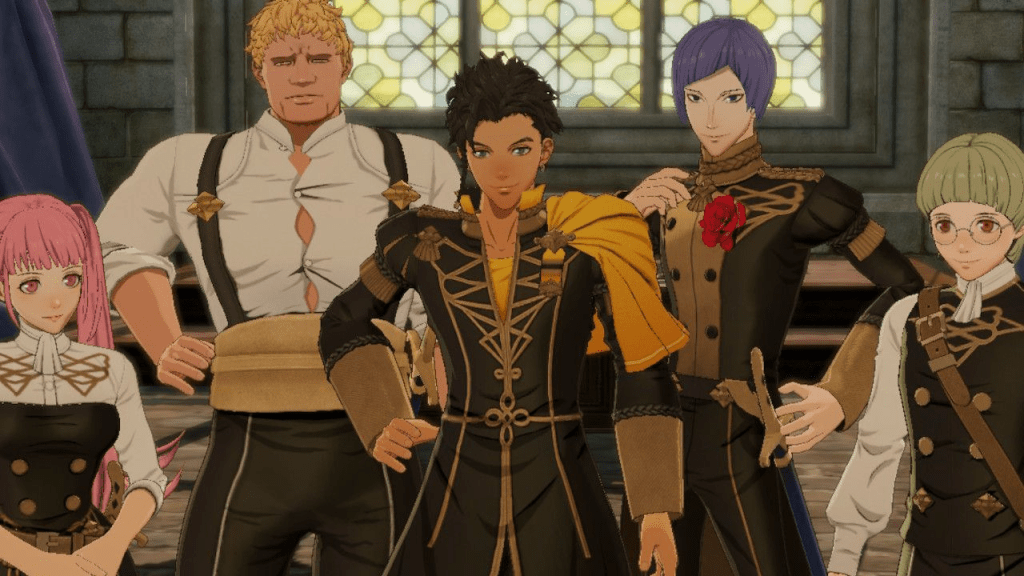
This game’s lone blemish is its downright abysmal conclusion; I’ll leave spoilers aside, but in short, the game sets up some really intriguing premises for anyone who’s played Fire Emblem Three Houses (and maybe even those who haven’t) just to drop it all at the absolute last minute for a complete nothing ending that refuses to follow its own threads to any sort of conclusion. I’m grateful that I got to spend some more time with the Garreg Mach crew, and I think it’s possible to enjoy the rest of the game, but my advice would be to disregard the epilogue text from the final mission in favor of whatever your own brain can cook up. I promise you it’s better than what you get.
AI: The Somnium Files – MAR 30
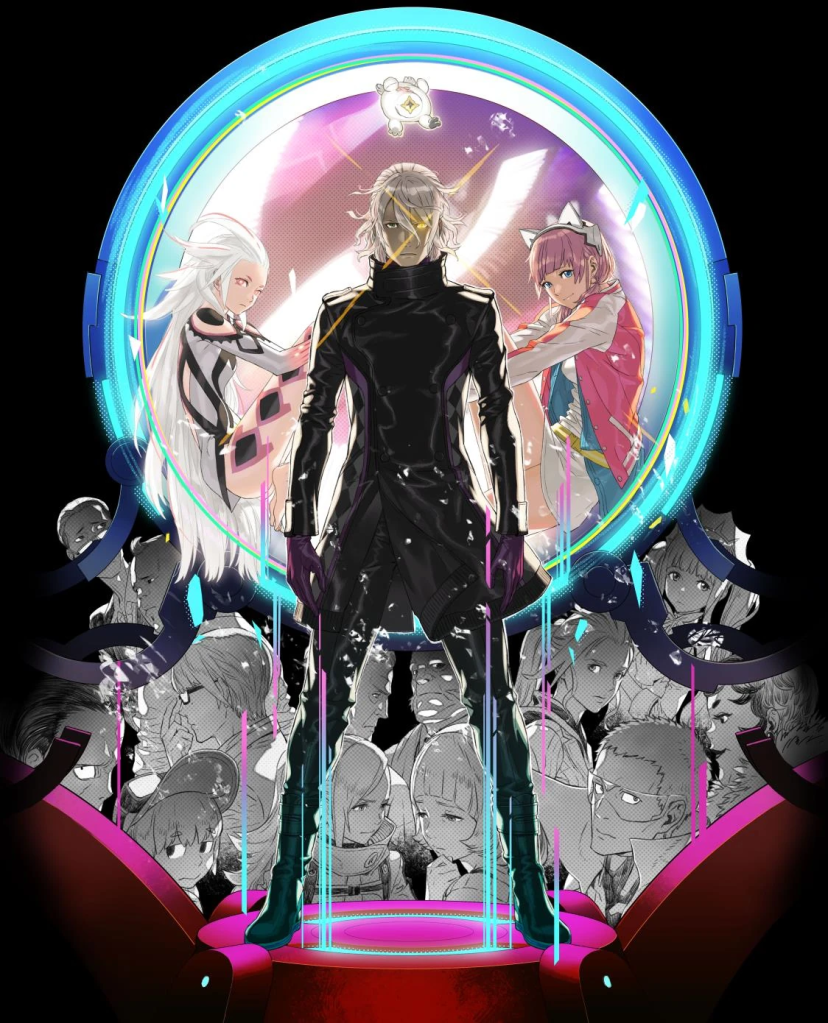
Needing something a lot more passive to play after a solid 60 hours of pressing buttons brought me to another game on the waitlist, one I’d been meaning to check out ever since I’d picked the physical copy up on sale for like $5. I love an adventure game, and had only heard good things about AITSF from folks I trust, to say nothing of all the constant memeing on Kaname Date on social media I’d seen over the years.
Everybody was right, and I was right to trust people. AITSF rules, and I WILL be playing the sequel/s before too long. I’ve never played any of Kotaro Uchikoshi’s other works, either, so the Nonary Games have basically become required reading for me. I love the sense of humor, the core mystery was compelling, and the cast is so endearing I don’t know what I’d do if I didn’t know they had another game to exist in. It’s definitely in the pantheon of greatest adv games for me, limited though my knowledge may be. Like any great experience, my only regret is that I can’t play it for the first time again.
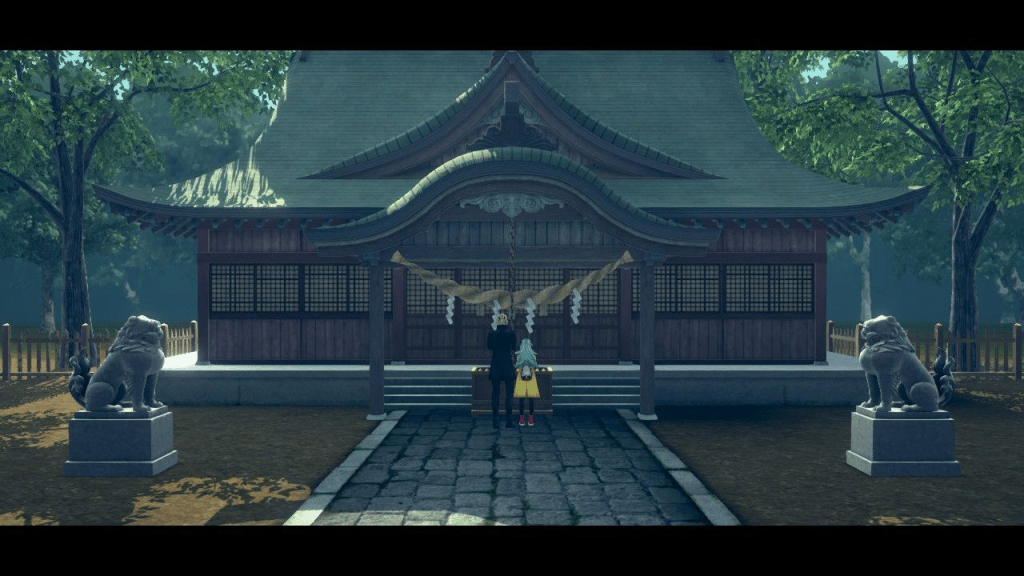
Blue Prince – APR 21
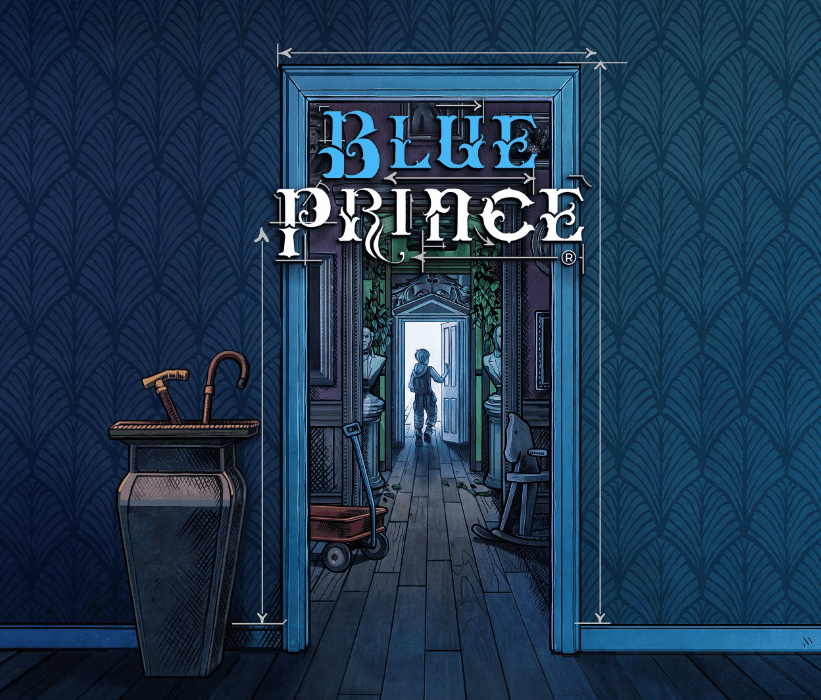
That ended up being a miniature recurring theme, because I spent the next month and change almost EXCLUSIVELY on Blue Prince, a game I had minimal excitement for that became an early frontrunner for my favorite 2025 release. The game absolutely commanded my attention day and night; I would spend afternoons at the office ruminating on the clues I’d seen the day before and talking with coworkers I dragged in with me about what they’d experienced so far.
For the unaware, Blue Prince puts you in the shoes of a young heir-to-be, uncovering the secrets of your late great uncle’s ever-shifting, 45-room manor. You “draft” rooms one by one from a pool of options, each with different layouts and effects, starting mostly from scratch every day that you don’t discover the way into a fabled 46th room. Rooms contain puzzles in the vein of games like Myst and Riven: The Sequel to Myst, with a bit of metaprogression elements to ease subsequent forays into the house. No two days ever play out the exact same way.
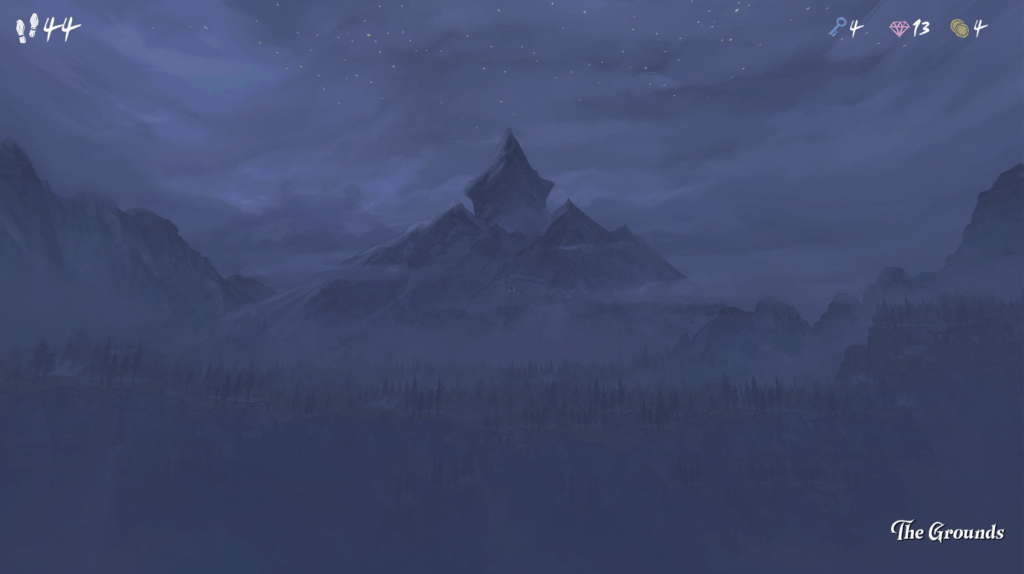
Part of what really sold me on Blue Prince as a concept was the communal “secrecy” around discussing the game: everyone sort of collectively, tacitly agreed not to talk about things they weren’t sure about, so part of the fun was tiptoeing around what I THOUGHT people would know without outright saying it. I kept copious notes in a physical notebook (something I don’t think I’d ever personally done for a game) listened to the soundtrack on repeat on commutes to work, and reveled in the satisfaction of solving some of the game’s myriad, intricate puzzles unassisted. Knowing the stars had aligned for me to reach my goal was a massively cathartic moment accompanied by a brilliant, swelling track that stayed in my rotation for weeks after the fact. It’s probably my number 1 moment in gaming this year.
Sin & Punishment: Star Successor – MAY 8
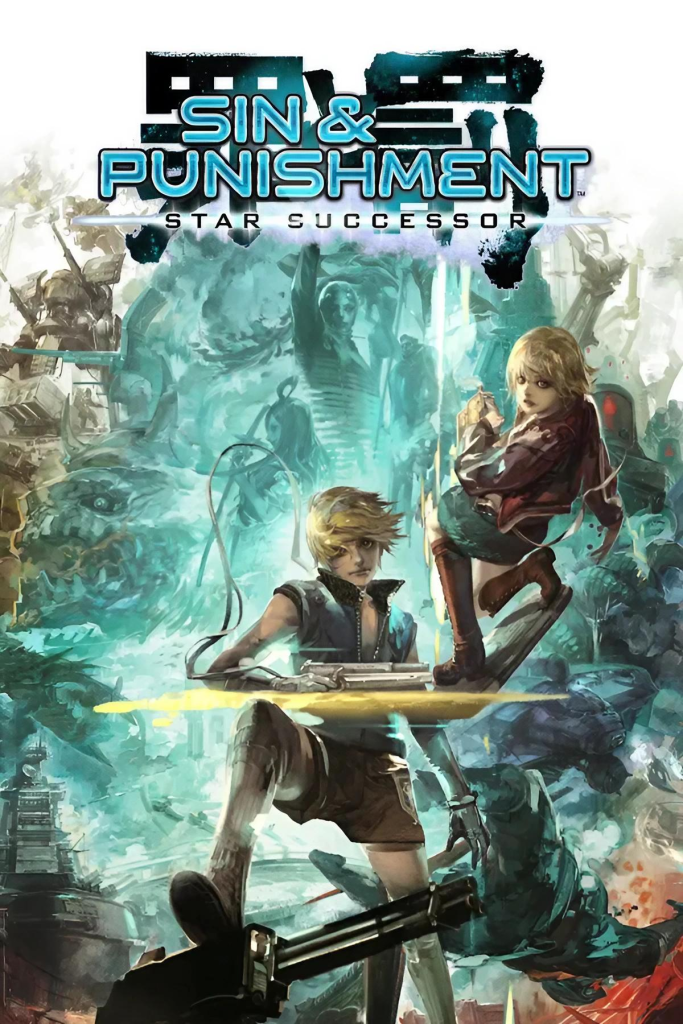
My follow-up to all the time I spent playing Blue Prince sort of exposed a pattern of mine, where I tend to hop on shorter games to cool off after a long one. “Short” and “Long” both being sort of relative, I guess, and not always purely consistent, but that meant I was in for something quick and painful after racking my brain over Blue Prince. That meant a “second” look at Sin & Punishment: Star Successor, sequel to the N64 Treasure…well, treasure that didn’t make it overseas until its debut on the Wii Virtual Console. I’d played it once like a decade ago, although not all the way through, so while I did have some recollection of some of the early game it wasn’t in any helpful capacity.
SP2 is a tough as nails rail shooter like its predecessor, with the added intensity of light-gun arcade contemporaries like Time Crisis thanks to the Wii remote pointer. It’s Treasure firing on all cylinders, and exactly what I imagined a sequel to Sin & Punishment would be like. Stages are elaborate set pieces with gorgeous environments that still hold up today, bosses are exciting tests of skill with really cool gimmicks that emphasize pinpoint execution, and difficulty is well-paced despite admittedly revving up in the final stretches. Character attacks remain unchanged throughout the game’s sub-5 hour runtime, with no powerups or new abilities to tack on, meaning the only thing I was able to rely on was my own sight reading and reaction ability. I got out with all of my hair still on my head, so I’d call my first full play of this one a success.
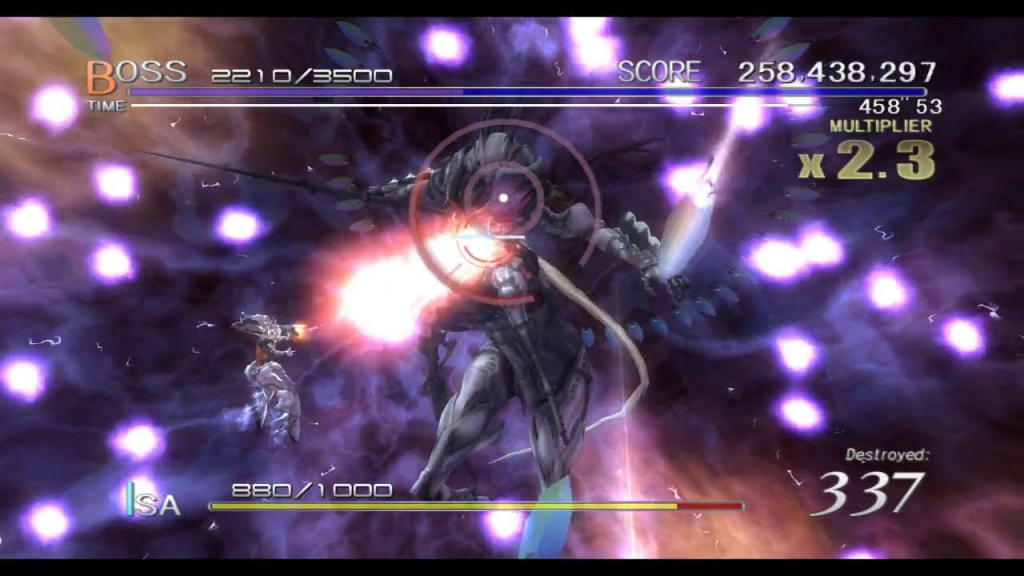
Unlike S&P, however, I’m not sure this one is going to get a 1CC out of me; stages being split apart by menus makes single section plays a lot easier but sacrifices some of the flow and momentum build that an uninterrupted play of the first game touts. That, and this game is nearly three times longer than the first game, which I was clearing in roughly 45-50 minutes by the time I finished my 1CC endeavor. Who knows, though. Maybe I’ll get the itch to check Star Successor out again after a long RPG.
Clair Obscur: Expedition 33 – MAY 11

What a completely unanimously incredible game with not an ounce of wack discussion around it to ruin the mood.
No, seriously, Expedition 33 is fantastic. A love letter to RPGs made with heart and soul, from a team that knows ball? Sign me right up. The game never really outstays its welcome but feels like a lengthy journey nonetheless (my expedition ended around 33 hours, funny enough), and has some really enjoyable combat and character customization options that end up being incredibly breakable in all the fun ways you’d want an RPG to be breakable. (Big salute to my boy Bravely Default.)
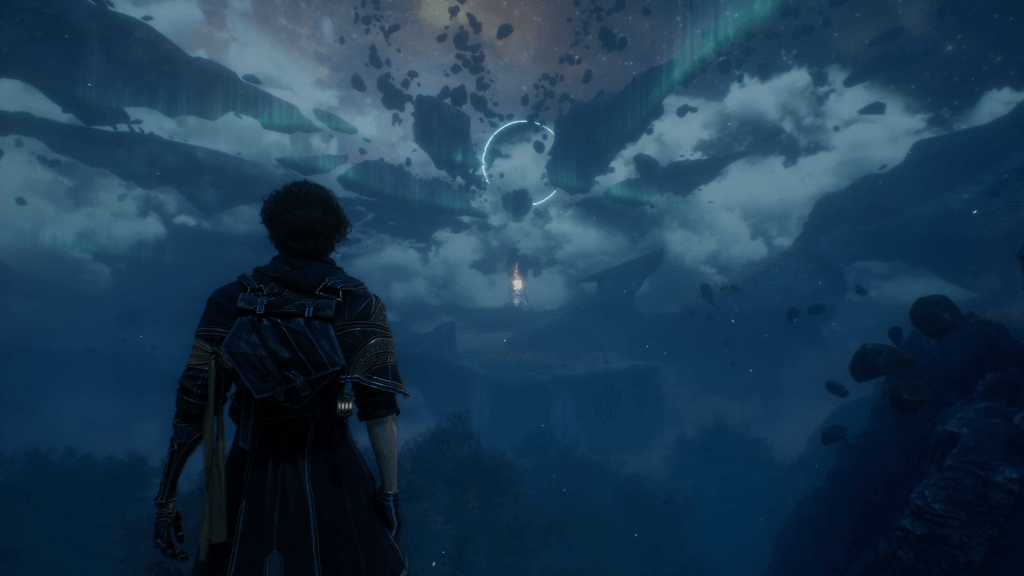
What really impressed me, though, was the story and dialogue writing. I’m usually vexed by these “indie” RPGs’ writing chops, packed with typos and contrivances and lacking whatever’s supposed to make characters believable, relatable and lovable, but so many of E33’s cast felt grounded and real. The performances of the entire English language cast brought wonderful characters like Gustave and Esquie to vivid life, backed by a truly superb soundtrack for every occasion. There were even a couple times I wanted to find the cutscene director and shake their hand because I couldn’t stop gawking at the smallest details in how scenes got framed, or calculated cuts to bystanders who knew more than me at certain points in the story.
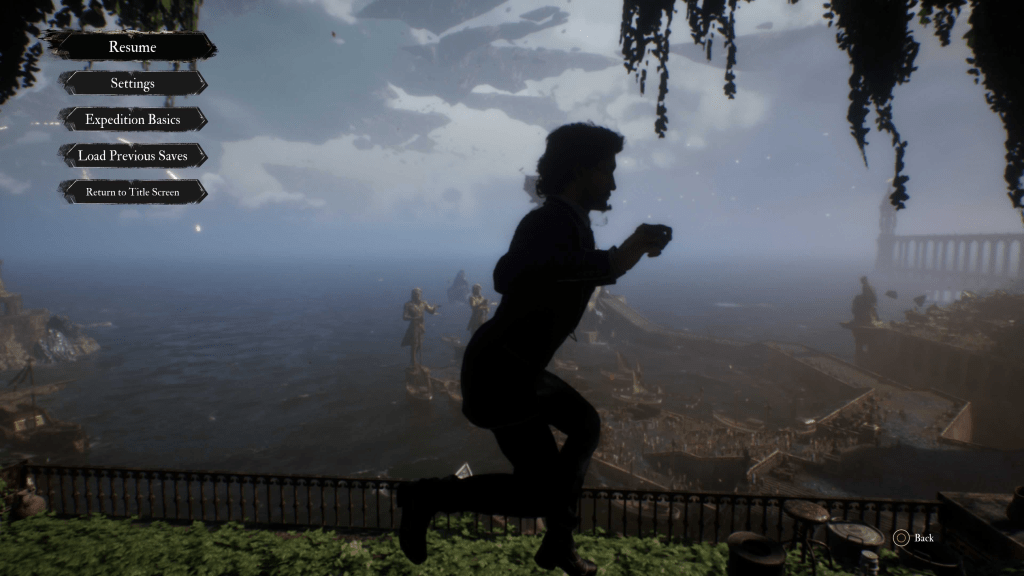
Certainly, E33 isn’t some revolution in RPGs for people who’ve been around long enough to have played Legend of Dragoon or Persona 5, but who gives a shit? It’s incredibly well-made, reverent, great on its own, and knows how to be bold just like some of the greatest games in the genre. I loved it and I can’t recommend it enough to people who love RPGs like me.
Mario Kart World – JUL 3
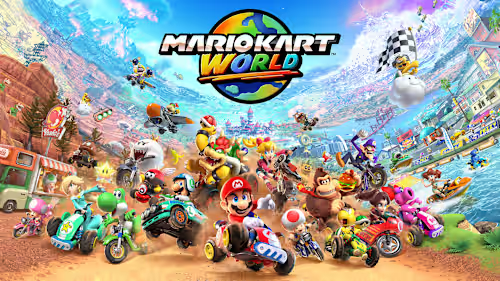
June marked the advent of the Switch 2, but other than the initial week of testing basically every Switch game I had access to I didn’t spend a ton of time doing Switch 2-specific gaming. The obvious exception is Mario Kart World, which I played for a solid month before ever even seeing a hair of the offline grand prix. Knockout Tour is maybe the most fun I’ve had playing Mario Kart since DS, and the music alone makes driving around and exploring a really fun little idle pastime.
It’s obviously being counted because I rolled credits after the very short offline grand prix, but my play time with MKW extended beyond the clear date here thanks to many many hours of Knockout Tours on the weekend with friends. If Link ever comes back, this becomes my all-time favorite Mario Kart game.
FINAL FANTASY XI Online – AUG 24
A HUGE reason I barely got anything done game-wise over the summer, other than screwing around with Switch 2 upgrades, was because I got into FFXI for the first time since circa 2008. In my previous time with the game, I’d made it as far as unlocking Blue Mage before a series of unfortunate (but external) events left me soured on the whole deal. Alas, time heals many wounds, and a history of empty threats to return to Vana’diel left me finally putting my sub money where my mouth is to party up with some friends and see what the game had to offer.

FFXI is a revelation; even in 2025, after 20 some odd years of updates and expansions, quality of life changes, implementation of solo-friendly systems to get players caught up, XI still manages to feel like its same old self precisely when you want it to. The points it DOESN’T concede fascinate me so much more, because FFXI managed to stay committed to the same clarity of vision it’s always had. Shops, travel, enemy spawns and some events still run on schedules, quests still have esoteric requirements that either beg you to consult other players or check walkthroughs, and the market boards (everyone’s favorite!), at least on the Bahamut server, still drive a healthy player economy. Like OSRS, it’s a time capsule of what the MMO scene was like in a World Before Warcraft, distinguishing itself from its younger sibling so drastically that I finally understood why it’s still kickin’.
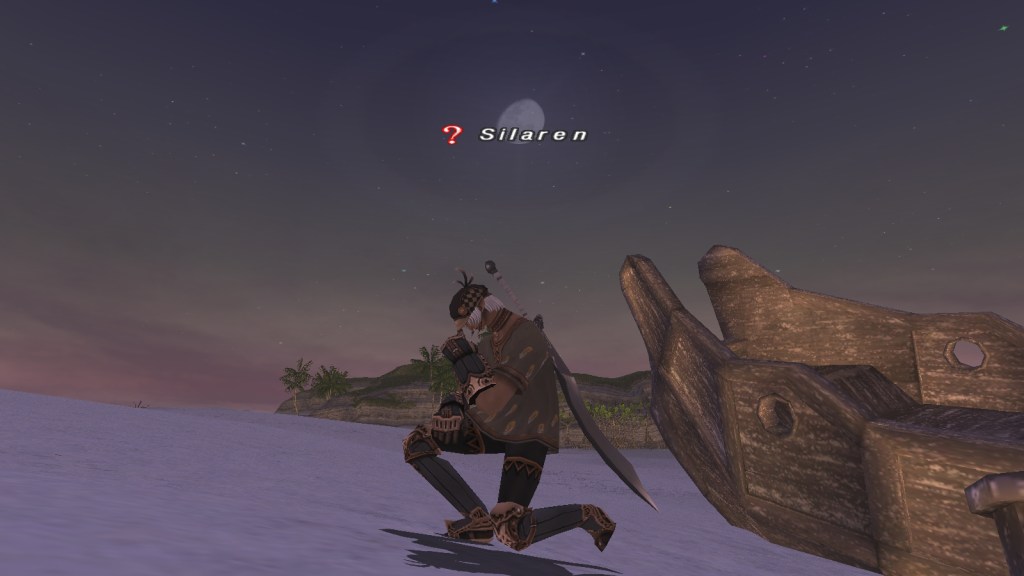
The revisit got me in touch with the early portion of FFXI’s base story missions, a decades-long struggle between the forces of Vana’diel and one cheeky Shadow Lord bent on imposing his will upon the realm. Funny enough, so much of my familiarity with the cast was solely from the FF Trading Card Game, so seeing characters like Curilla, Aldo and Shantotto in their natural habitats was a gift. As of this writing I’m still working through Rise of the Zilart, the game’s first major expansion, and I do have every intention of playing the rest, especially now that I’ve actually got a group (and Trusts!) to help work through some of the more difficult segments. The trip through Castle Zvahl with a level synced party to confront the Shadow Lord, complete with short rests to recoup resources in hostile territory, is maybe the coolest experience I’ve had in an MMO in a very long time and really sold me on the appeal of the game’s combat. I can fully appreciate that it’s not for everybody — it’s basically an online SaGa game — but it sure as hell is for me and anyone like me.
The Legend of Heroes: Trails in the Sky SC – SEP 4
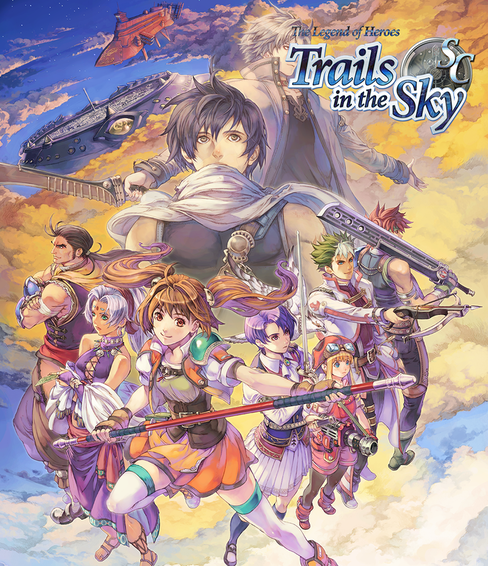
September brought on a bit of a slowdown on the FFXI front, so in between bouts of playing XI on my Steam Deck I was chugging away trying to finally seal the deal on Trails in the Sky Second Chapter after roughly a year (check the date on this review) of chipping away at it.
Trails feels like such a breath of fresh air. Of course Sky (and especially SC) isn’t without its dramatic moments, and Estelle Bright’s journey across her home kingdom of Liberl eventually does take a massive, world-shaking turn, but so much of the journey is in the little moments of character growth and the deepening of the Sky cast’s budding relationships. SC is, as the name would imply, very much the “knock ’em down” to FC’s “build ’em up”; the dinner table is set, and the main course is Estelle’s juggling of budding problems around the Liberl region with her budding feelings for a missing Joshua, who disappeared without a trace at the conclusion of the last adventure. Unlike FC, thankfully, Second Chapter is ready and committed to providing closure to most of its story beats while leaving the door open for a sequel (of which, dear reader, there are now VERY many). I admit that I wasn’t super enthused with how the early game was paced out; it takes a fair bit to really start rolling, but once you get to the thick of things around chapter 3-4 it assumes the form of a good manga that becomes impossible to put down until its thrilling finale.
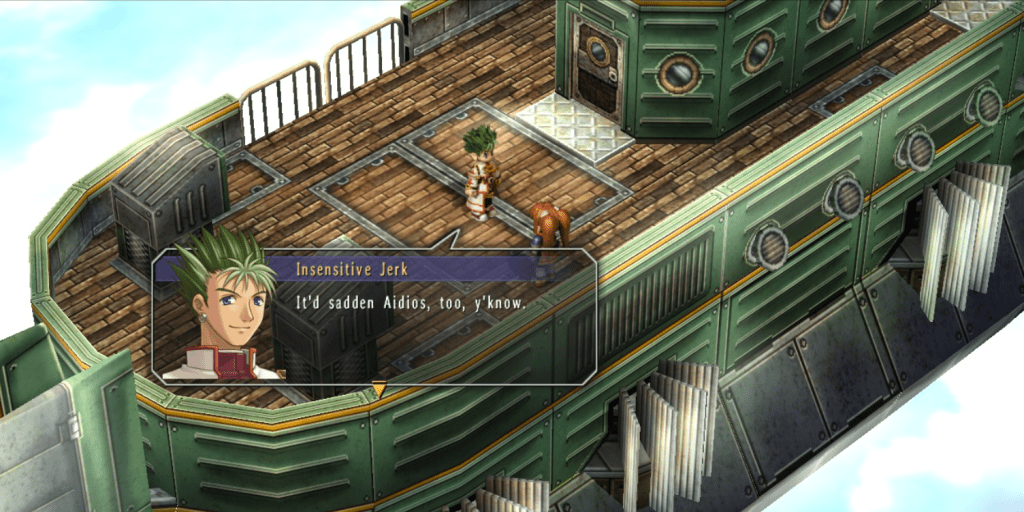
I was less thrilled by the game’s combat and system mechanics, serviveceable though they are. It’s not really Falcom’s fault that the system mechanics feel a little dated in Big 2025, and the orbment system itself is a really cool and creative analog of sorts to FF7‘s materia, but so much of the combat boiled down to getting your arts to go off and wiping enemies in a couple turns. For everything else, there’s S-craft interrupts. For what it’s worth, I’m also playing these games on normal mode just to see what the stories are like, so I’m willing to blame myself for the game feeling like a visual novel with extra steps. At least it doesn’t make me less interested in the ride.
Final Fantasy Tactics: The Ivalice Chronicles – OCT 1
I meandered for most of the rest of September between a handful of different games like MTG Arena, the Ratatan early access (great little proof of concept!) and League of Legends (yeah) knowing that I was going to be dedicating all of my time to Final Fantasy Tactics: The Ivalice Chronicles at the end of the month. I’d been waiting on this remaster with bated breath, wondering how every little bit of the beloved Zodiac Brave Story would turn out with a new voice cast and a fresh coat of paint.
The answer: brilliantly! I’ve spoken at length elsewhere about how much I love the story structure Matsuno chose for this portion of Ivalician history — a candid, dramatic look back at the heroes of a mostly-forgotten era — and the voice work on the enhanced edition, at least in English, offers an almost thespian take on the twists and turns of Ramza’s tale. I know the graphical updates weren’t everyone’s cup of tea, but everything else, including the new UI and significantly expedited game flow, make it so hard for me to recommend basically any other version of FF Tactics unless you’re absolutely committed to seeing Luso Clemens and his pizza cutter in War of the Lions.
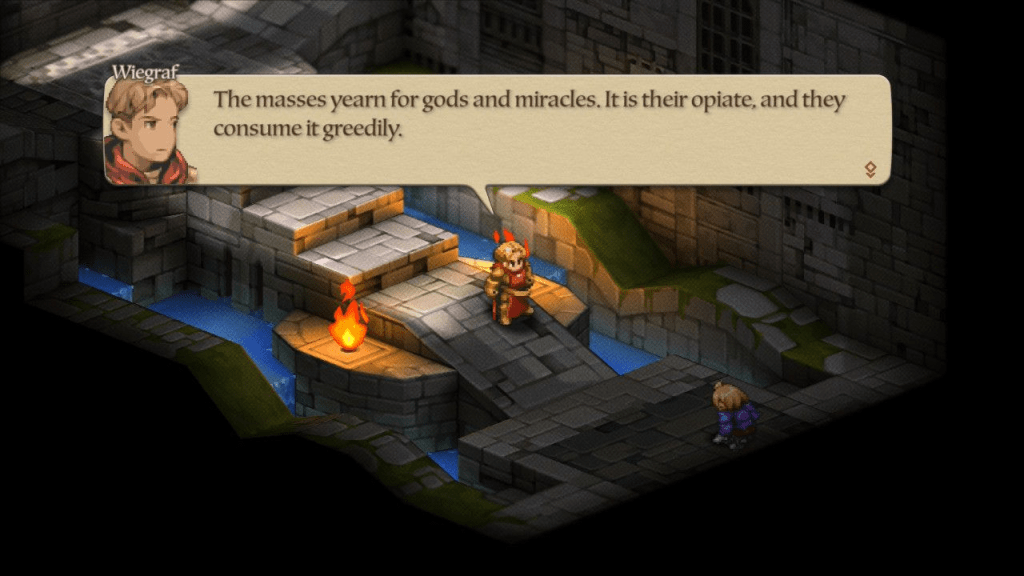
One thing that didn’t change was how easy it was to get roped into the game itself. So much time went by in the blink of an eye just fighting random battles, maxing out jobs and completing errands, and by the end I was finally lamenting that FFT never really had much in the way of endgame content for me to mess with outside of one optional gimmick dungeon. The speed toggle in particular made it so easy to just fight random battle after battle, much to the detriment of my sleep schedule.
Pokemon Legends: Z-A – OCT 23
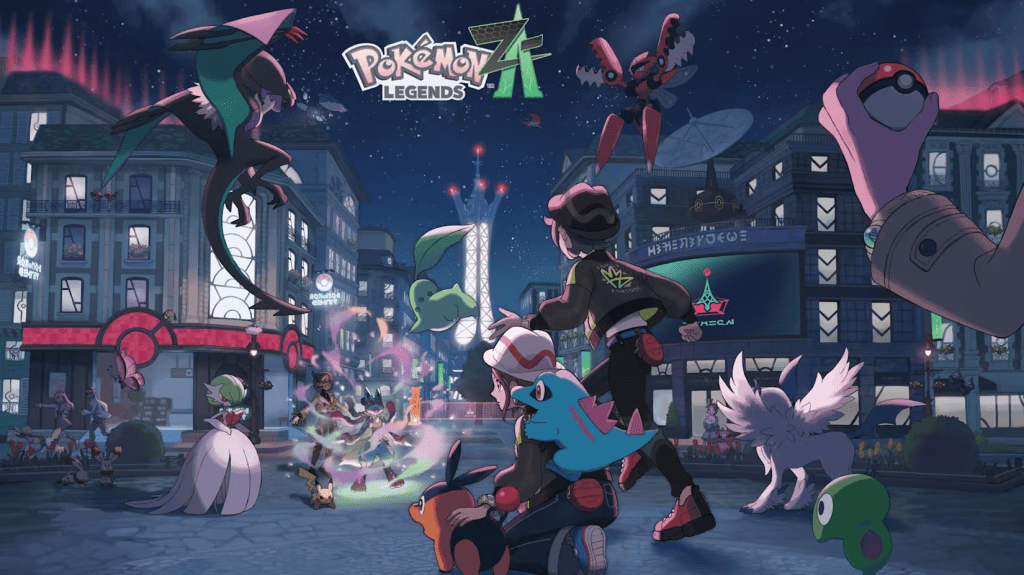
Fresh off the heels of a cross-country trip to visit some friends, I settled back in at home with a copy of Pokemon Legends: Z-A and was really pleasantly surprised with what I played. The opening definitely had me worried — the game is OBSESSED with tutorials and railroading for about three of the early hours — but as soon as things opened up and I had a chance to see the sights in Lumiose City I really fell in love with the wonderful world of Pokemon again for the first time since Sword and Shield.
Z-A caught a ton of flak online over the same kind of nonsense basically every Pokemon game does, and I’m not going to act like it’s without flaw — I think the building textures themselves are fine but there’s just so little variety to the game’s “regions” by virtue of the setting — but it really did win me over and I’m looking forward to the possibility of seeing more Pokemon games in this real-time, baby’s first ARPG style. I even ended up spending a ton of time grinding out the first season of the online multiplayer battles, a surprisingly enjoyable chaotic free for all mode that I can only imagine 4 player rock paper scissors would be. If you still like catching critters and making them fight, I think it’s pretty reasonable to suggest giving this one a look.
Absolum – OCT 26

The evolution of the “arcade” design (as concerns the games themselves, not the physical space) exists in the roguelike despite the latter’s tabletop-y origins. It’s a genre that can be bested either by virtue of clever planning and systems mastery, or simply through otherworldly skill and a bit of luck. You can probably outskill Raiden Nova with a little bullet hell reflex work, and I’ve seen enough Hades fresh file clears to know it’s not all about the boons, but I do like when you can feel a plan coming together and Absolum has that in spades.
When Absolum first got announced, I was immediately enamored with its visual style and knew I would be hopping on day one. I love beat em ups, I love roguelikes of various styles, and I am especially a sucker for hand-drawn style graphics (just ask Vanillaware what I think of basically anything they put out). I’m really happy to say I wasn’t disappointed at all by what I got: a brawler with some surprisingly sweaty mechanics and an absolutely stellar soundtrack courtesy of Gareth Coker (Ori, Halo Infinite). The game’s 4 playable characters all feel significantly different in what they’re trying to do, further augmented by elemental blessings that shift your playstyle on the fly. Occasionally, I would come across an absolutely game-breaking build like the one here:
I’m not sure I’d chalk it up to “systems mastery” but the cheese builds and experimenting and the excitement of seeing what works on a new run is just such a core part of the experience and really endeared me to this one. I still gotta give co-op a go, too.
Pokémon Legends: Arceus – NOV 7
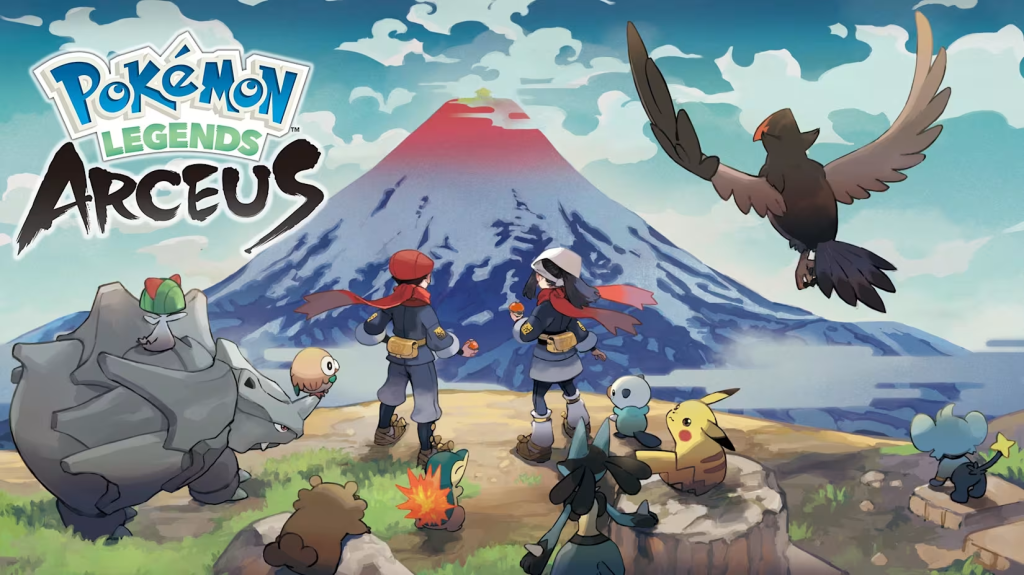
My time with Z-A ignited a little bit of Poké-fever (Pokérus?), so I finally decided to double back and finish what I started back in 2022 with Pokémon Legends: Arceus to get the “big picture” literacy take and spend a little more time with some capital-C Critters. I really did enjoy this on the revisit; it’s not that I was completely off-board the first time I made it through most of the game, but something or other probably had a hold on me (Endwalker? FF12? Lost Judgment?) and I didn’t end up with enough momentum to see me to the end. That wasn’t a problem this time, for reasons I’ll get into in a bit, and I spent a lot of days in early November from sun-up to sun-down catching new ‘mons and exploring the wilderness in the Hisui region.
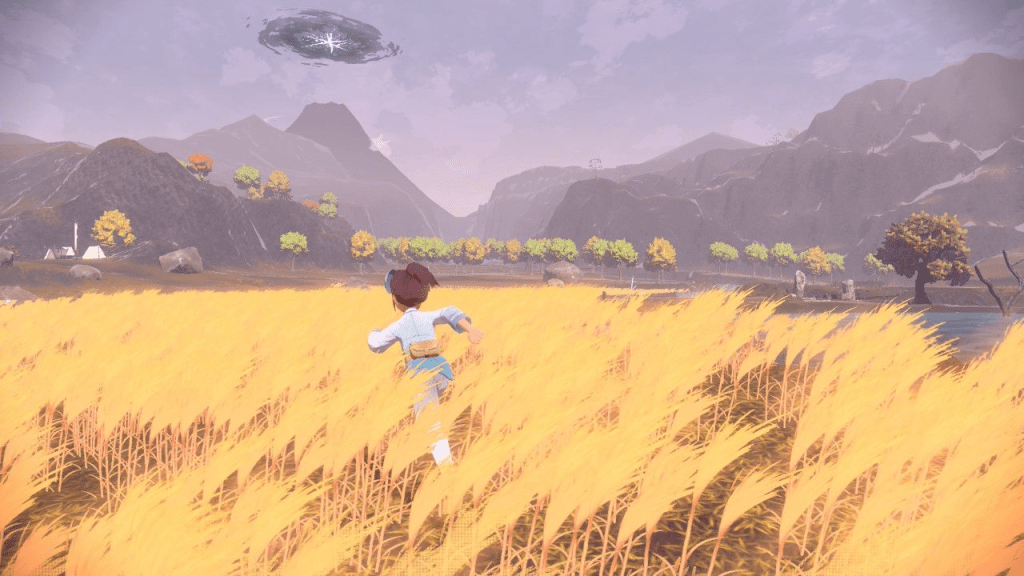
If I had anything to gripe about, it would probably be that Pokémon battling in its classic iteration still isn’t super fun for me, and the base game was a festival of one-hit KOs unless I was specifically trying to catch something. Conversely, the best part of this game by a longshot is late in the game, when the standard formula gets upended for the sake of a comically unfair boss fight that’s especially brutal even if you’re reasonably leveled. That one had me reeling even after I cleared it, and cemented this one as one of my favorite games in the series despite my complaints. Zoning out in the game’s big open areas especially hit as a comfort activity when I was going through some tough stuff at the beginning of the month, like when…
Lumines Arise – NOV 12
I got laid off from my job of ~7 years on the 4th of November. Anyone who knows me knows where I worked, and those who know me well know that I was really happy I was able to work where I did, so to say I was gutted is kind of a profound understatement and I’m still kinda roiling in the emotional maelstrom the layoff caused. It’s an all-too-increasingly-common occurrence in the games industry that a lot of people with a lot bigger platforms have spoken at length about, and it sucks, but for now I’ll just leave it there because, well, it meant I was suddenly “gifted” with a hell of a lot of extra time to play some games (with a side of trying to get my shit straight). That means we have a lot more to talk about.
If there’s any one game I can point to that you can credit with the idea of me publishing more of my writing, it’s Lumines Arise; I originally mulled over the idea of writing this big piece about how Tetsuya Mizuguchi and the team at ENHANCE just GETS what it means to be human, reflected in their incredible audiovisual journeys like Child of Eden (as Q Entertainment) and even 2020’s Tetris Effect: Connected. I do still think that ENHANCE conveying its understanding of humanity through synesthetic landscapes and corny 2010s electronic pop anthems is clumsy but profound, I just decided to devote my energy to playing a bunch of other games and trying to get something out for everything all at once.

On the synesthesia front, Lumines has always had the dynamic down pat, but Arise elevates that to new levels with the same manner of visual treatment as Tetris Effect. Part of what I’ve always loved about Lumines is how it uses unique tones for every different kind of action (rotating squares, quick runs, fast drops) and everything lines up so cleanly with the music. Arise in particular has some real bangers too, like this one that would probably be on my favorite game tracks list this year if I had one:
I think the only thing I’m really missing from this edition of Lumines is some kind of endless mode to cycle through multiple stages, but I acknowledge that’s such a small thing it doesn’t really have much impact on my overall feelings about this game. It couldn’t have come out at a more perfect time. It really helped me stay out of the dark while I was stewing alone in my apartment, unsure of what life would bring me next.
Kirby Air Riders – NOV 22
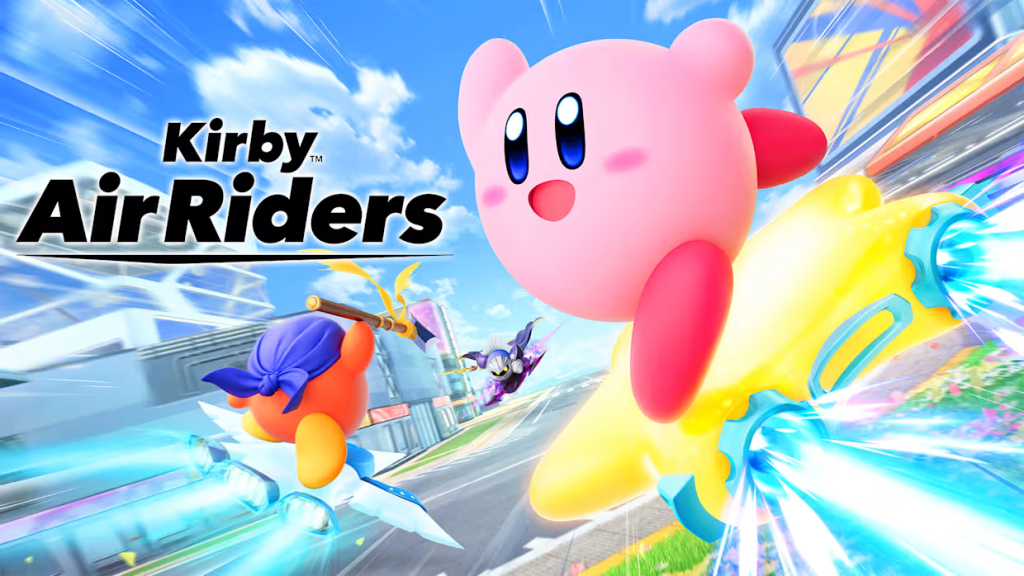
If Lumines was what staved off the darkness, Kirby Air Riders was what truly brought some light back into my life. What a ludicrously fun, joyful game made with so much love and care (and Kirby)! My partner had gotten me into Kirby Air Ride in the wake of the new game’s announcement, and City Trial mode was a riot even just with the two of us offline, but the 16-player chaos of Air Riders’ online City Trial is seriously an unmatched experience in any other racing game. Even the game’s Road Trip mode, the single player story branch, had a lot to offer and kept me entertained with some ridiculous fast-paced action. Said partner and I spent an ungodly amount of hours on the weekends after they got back from a trip overseas just jamming matches on the couch, cackling and yelling like maniacs while we ran other players down with Rick or blasted them with the game’s gigantic beam cannon.
This game is pure Sakurai magic and I get that racing games aren’t really for everybody, but the game’s sweet simplicity belies some really visceral racing action and fun achievement hunting thrown in for good measure. I don’t even know how much talking about it can cover the appeal, so I’d recommend finding a way to play it with a friend if you’re interested, even if you don’t end up picking it up.
Hyrule Warriors: Age of Imprisonment – NOV 24
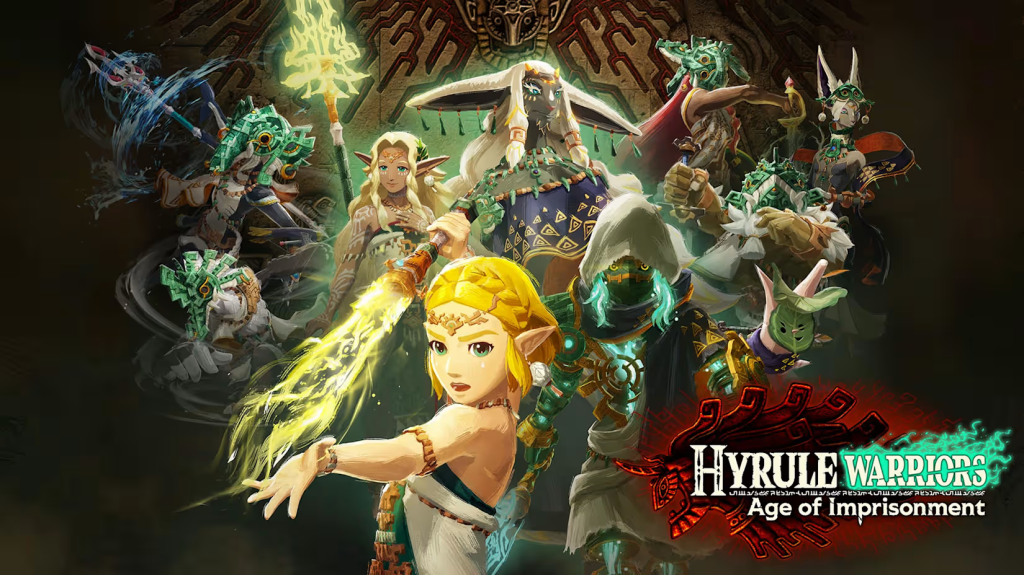
My third (?!) Warriors game of the year if you count Abyss, Age of Imprisonment, is just more solid action gaming with a Zelda skin. It’s hard to believe we’re already 5 years removed from Age of Calamity, a decent game in its own right that struggled MIGHTILY on Switch hardware, but the technical difference between that and AOI is stark. This is another enjoyable-enough Zelda Warriors title that covers the events leading up to and including Tears of the Kingdom’s revelatory flashbacks, with some new characters and story threads to pad things out a bit. It’s a serviceable excuse to get a bunch of these characters outside beating ass, but honestly the story’s expansion of some of the events of TOTK didn’t really resonate with me like I thought it would.
In fact, despite carrying a lot of the mechanics I loved about 3 Hopes and running so much better than any of its other Switch siblings, I just came out of it feeling kinda okay on the overall package. As it turns out, KT either has to cut story out basically wholesale (Warriors Abyss) or really make sure the characters mean something (FE Warriors 3H) for me to really vibe with their games nowadays. It’s a huge reason I’m looking forward to eventually playing Dynasty Warriors Origin, because I hear that the story treatment is given so much more care than previous entries.
Neon Inferno – NOV 26
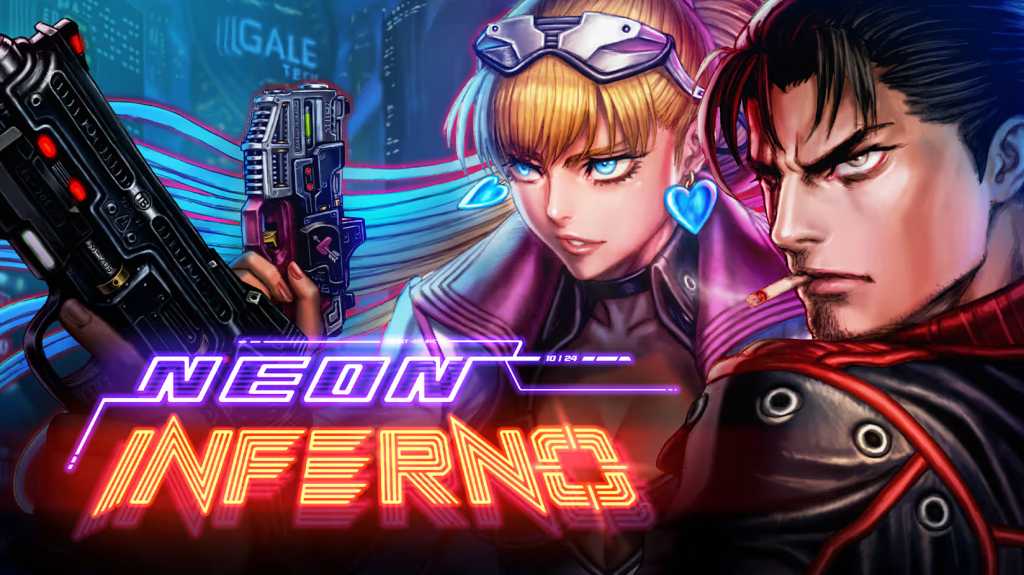
It’s at about this time in my writing (this was all done sequentially to recap the year, btw) that I notice I jammed on quite a few arcade-style games this year. Between bullet hell shooters, roguelikes and even racing games, short burst plays commanded a lot of my game time in 2025. Neon Inferno was another such game, coming in hot late in the schedule for a couple good hours of tense run-and-gun action.
Developer Zenovia Entertainment’s previous game, Steel Assault, was a pretty impressive debut game in the same style that showed off their art and gameplay chops. I knew I was witnessing something special when they started posting some in-progress artwork a couple years back, and they brought the gameplay to match. It plays like Metal Slug mixed with Wild Guns (if you’re not familiar with Wild Guns there’s a great reboot available on modern platforms) but set in a gritty, futuristic New York City. It’s a cool little tale of two assassins trying to get out of a life of crime, tasked with getting a couple more impossible targets off the table before they’re allowed to peace out for good.
Stage design and visuals are pretty great and run the gamut of typical action game gimmicks like cover-based boss battles and auto-scrolling motorcycle chases, and enemy placement and patterns are pretty rough but never in a way that made me feel like it was out and out unfair. I think the “normal” difficulty is lenient without being too babying, so I really wonder what Arcade Mode is going to be like when I eventually get around to it. I spent somewhere in the vicinity of 5 hours on this game, but like Sin & Punishment I’m sure I could whittle it down if I locked in. It’s a great game to check out for a few hours on a rainy weekend afternoon or if you’re feeling like you need a little jolt of action to get excited about playing games again.
Kirby: Nightmare in Dream Land – DEC 1
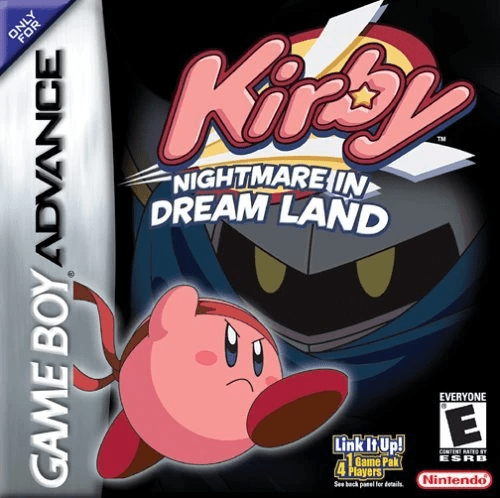
In the midst of the holidays, we took another trip, this time to Budapest to see the sights. It was a nice trip! I probably never would’ve chosen it myself but I’m glad we went, the food was great, I posted a little bit about it when I got back on other socials. Of course, what that meant was more than a few days away from consoles, so I loaded up some stuff on my Steam Deck and my 3DS to hopefully knock out while I was away.
I barely even touched my Steam Deck. Fortunately, the 3DS really came in clutch this time, and I played through Kirby: Nightmare in Dream Land in one (forced) sitting on the plane.
Kirby’s Adventure is a masterpiece of 2d platformer design, so naturally NIDL is a (mostly) brass-tacks reinforcement of its greatness for a then-new era. Everything is placed so deliberately, set up to teach players the core philosophies of how to interact before queueing up tricky little challenges and secrets to knowledge check them on the way out. For example, an early stage sets up the concept of using the fire or fireball copy abilities to light a long fuse for a cannon that sends Kirby to a 1UP. later stages expand on the concept, requiring players to get Kirby through gauntlets of enemies and obstacles while preserving his fire ability to light a fuse at the end and reach a hidden switch. The game is packed with those sorts of fundamental concepts in such a short runtime. I’ve been playing games my entire life, including Kirby’s Adventure when I was still knee high to a grasshopper, so reexamining this one under a more analytical lens was a good time.
I think it’s worth out-and-out stating that Nightmare is NOT a replacement of the original game, nor is any remake for that matter, but the bones of both games are close enough in this instance that you could play one or the other and get the ideas down without much loss. There are a couple of little differences between the two other than the graphical ones as well, so it might even be worth it to play both and be on the lookout.
Unbeatable – DEC 16
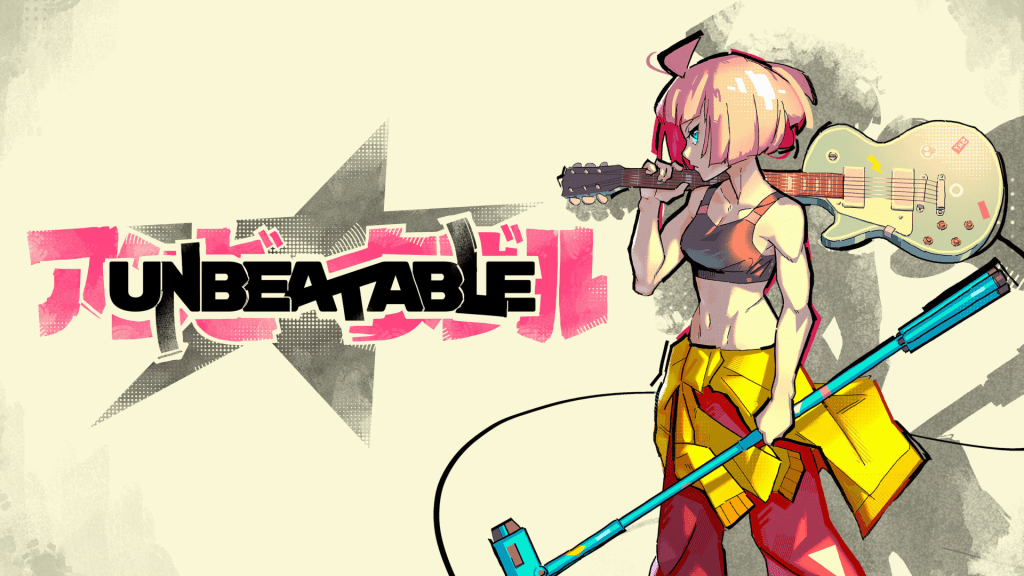
Every day when you wake up and think about making art, or penning a song lyric or melody, or go live in front of an audience to entertain, what goes through your mind? Do you want people to be there? Do you want people to care? Do YOU care how perfect it is? What pushes you?
Over the last few years, especially because of my obligations to my work, I held off on my creative projects. I cut back a ton on streaming projects, stopped singing as much, even set my writing aside because I was consumed by my job and legitimately felt a ton of pride in the work that I did, but it exhausted me. I figured if I at least felt satisfaction doing what I was doing and if I was really helping people, that’d be enough for me. And it kinda was, but now I’m here, and nothing I did there feels like it was truly mine.
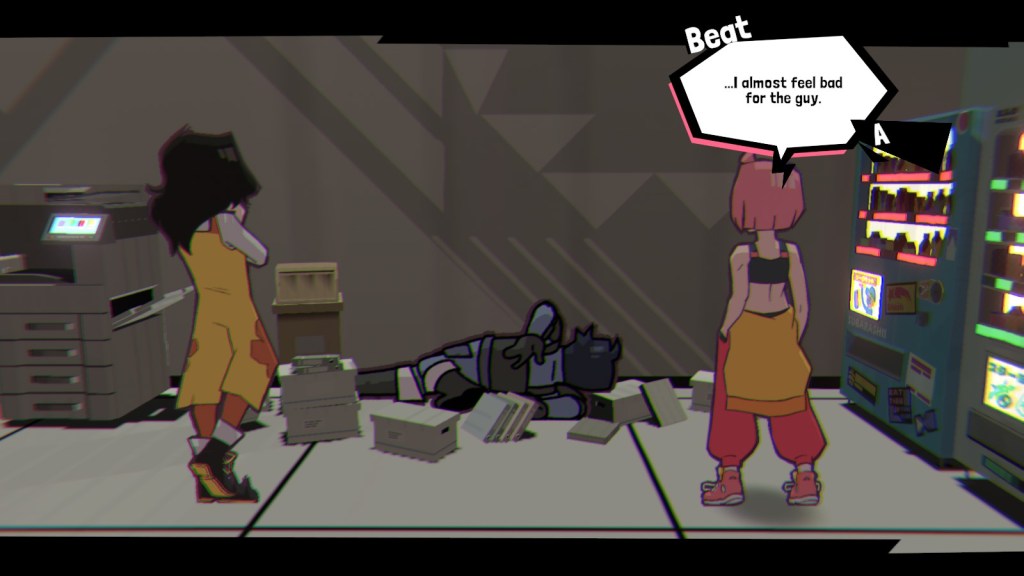
I don’t mean for that to be too sad, all things considered, but Unbeatable immediately frames itself from the jump as a story for people who’ve lost their way — making now the perfect time for me to boot it up for the first time.
As an actual game, Unbeatable’s campaign is kind of rough around the edges. At least as of this writing, a couple post-release patches are in the books but a lot still seems like it needs to be done to polish off coarse bits like missing audio cues and a couple of chart bugs (this is a rhythm-based story game, by the way) but the free-play arcade mode is mostly devoid of issues, so it might even be a solid pastime to play some of the game’s awesome soundtrack while you wait for the promised clean-up.
As a story, Unbeatable’s a little messy and makes a few trips around the points it wants to make before arbitrarily diving in once it’s done trying to make excuses to get there. Beat and Quaver’s pilgrimage, chasing after memories of Quaver’s parents and putting together a band with twin prodigies Treble and Clef to fight back against an oppressive government (music is illegal in the world of Unbeatable, and you do crimes) all make for a scattershot of threads that eventually make their way back together, but there were definitely stretches where I was questioning how, or even if, any of it actually would.
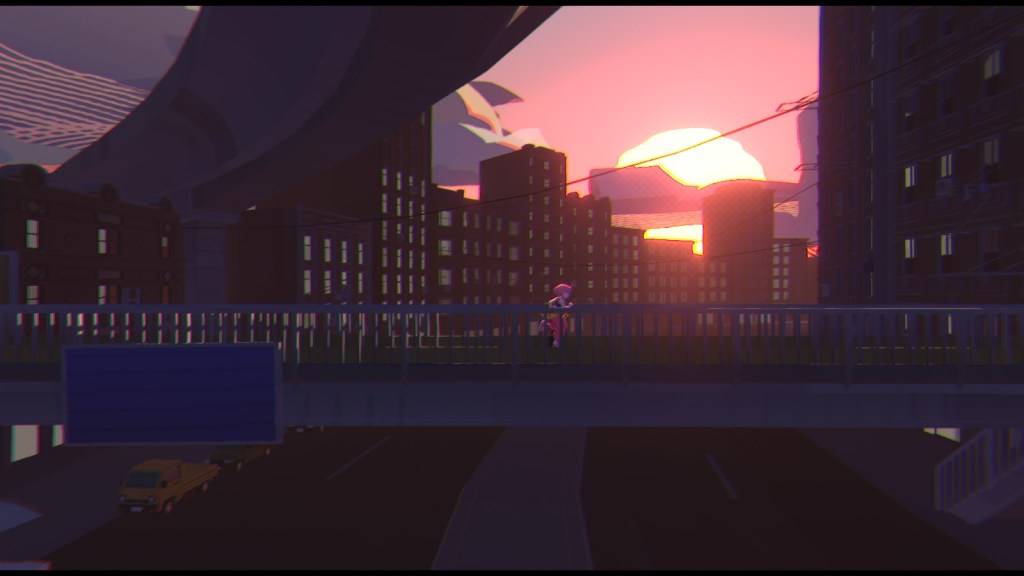
Thankfully, I wasn’t made to wait very long to see how, and the game’s crescendo struck gold. The pivot the story makes isn’t entirely unpredictable, and the subject matter even sort of resembles another game on this list if you look hard enough, but it hit my heart so much harder and felt so much more in tune with what I’d been going through that I’ve been reeling ever since. Because of that, Unbeatable is unforgettable, and probably my game of the year despite its issues under the hood.
If you’ve ever wondered what the point of your art is, if you’ve ever struggled to pick up the pen or wiggle your fingers and jam the keys, if you’ve ever loved anything in this world enough to feel pain when it’s gone, I can’t really think of a more affirming gaming experience in 2025 than playing Unbeatable, a game that absolutely wears its heart on its sleeve, a piece of living art that doesn’t have to be perfect to make an impact, and a pretty damn fun rhythm game besides.
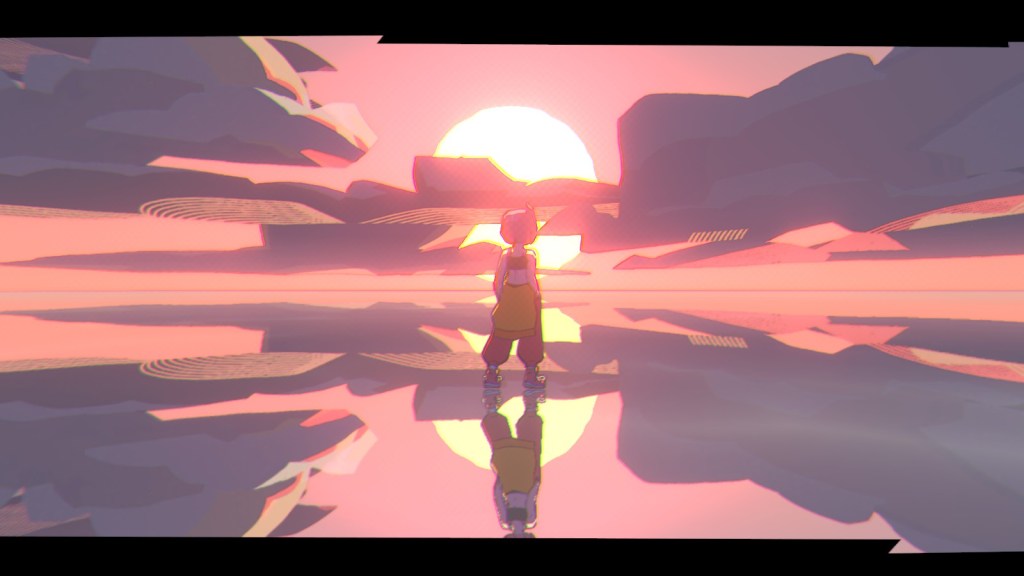
I waited 5 years for you, Unbeatable, and you showed up at the perfect time. You’re just a part of my life now, and I won’t get rid of you.
Kirby Super Star Ultra – DEC 19
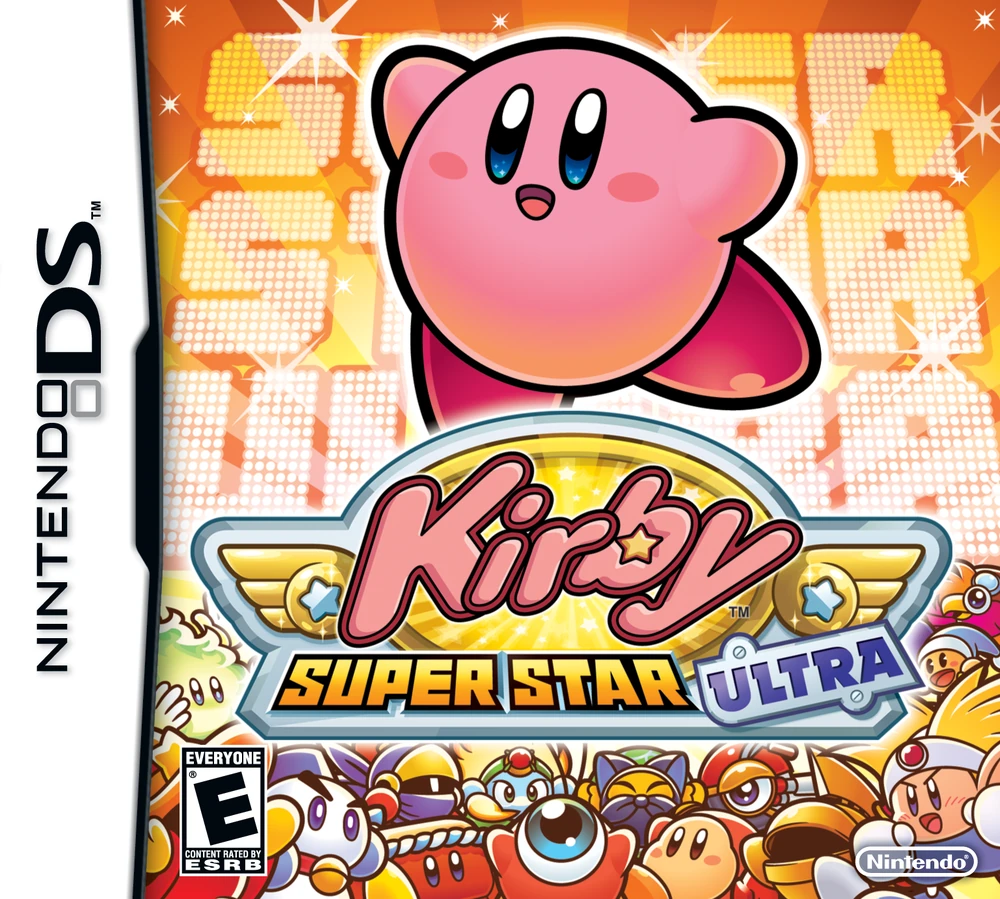
I’d had my run-ins with Kirby Super Star in the past, but never made it especially far past The Great Cave Offensive, one of the multiple “games-within-a-game” of the SNES classic. While I was still Kirby-pilled on vacation, I decided I’d use some of the hours of sleep I lost to jetlag on rectifying that and closing this one out via the DS version of the game.
Despite some visual differences and additional content, I figure this one’s actually close enough to the original that I could just get away with playing Ultra until I reached the OG end point, mark off what I thought, and then play the Ultra add-on content to round it out. That’s what I did, but I’m not marking it off as an extra game!
This game’s great. I think it’s a solid take on the same design philosophies present in Adventure, and sort of proof that Kirby can work pretty well emphasizing different parts of the genre, like straightforward platformer (Spring Breeze, Dyna Blade), collectathon (Great Cave Offensive), time attack (Revenge of Meta Knight) and even like a progressive action game (Milky Way Wishes). Ultimately the whole experience is a little less to my taste than the long-form clarity of Nightmare in Dream Land, but this was one I couldn’t avoid playing any longer than I already had.
Sektori – DEC 20
Sektori had actually been on my playlist for a little while, thanks to a recommendation from a friend whose tastes I trust — it’s a twin stick shooter in the same vein as one of the all-time greats, Geometry Wars — but I didn’t get my first actual clear of the game’s “campaign” mode until well after I started playing it. This game RIPS.
Seriously, it’s everything you could want out of a quick-run twin stick jaunt, and the intricacies of scoring makes would-be aces rethink how they approach striving for those high scores. Sick, pulsing trance music, close calls everywhere dodging enemies and bullets and stage closures, MASSIVE tricky bosses and a simple but effective upgrade system that combines the best parts of Gradius with just a touch of that roguelite metaprogression make this one basically a must-have. It’s so damn good.
Type Help – DEC 25
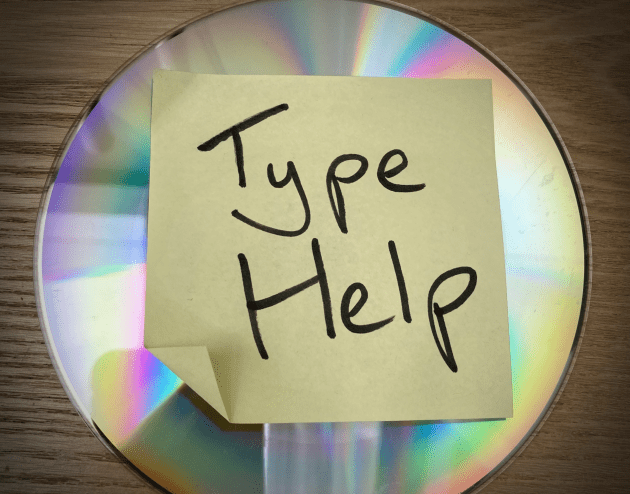
I’m really glad I played Type Help before the year wrapped, and on a stormy Christmas Eve no less. A good friend of mine had been raving about it basically all year since he’d played it, and although I don’t think I came to the exact same conclusion he did about where it landed for me, I’m definitely not going to forget how it made me feel any time soon.
I love text-based adventures and puzzle games (I love a lot of kinds of games, if you haven’t noticed) and this is an absolutely brilliant one, a mystery adventure concerning a series of deaths at the ominous Galley House. It’s told through a series of transcribed audio logs that the player is tasked with uncovering via simple commands, putting agency squarely in the hands of the reader. As a result, every discovery and every twist and turn of the story is a reward for clever parsing of Type Help’s dripfeed clues.
As I surged through the game’s closing moments and the dread really started to set in, I understood just how incredible Type Help is. Once I started to understand how all of the pieces fell into place, the true ending crept up on me and left me staring at the ceiling for long after I’d closed the window and gone to bed.
A full scale remake of the story called The Incident At Galley House looks to be coming to Steam next year, but I’d probably check the original game out just by virtue of its price (it’s incredibly free to play) and length (roughly 4-5 hours if you’re smarter than I am).
Earthion – DEC 27
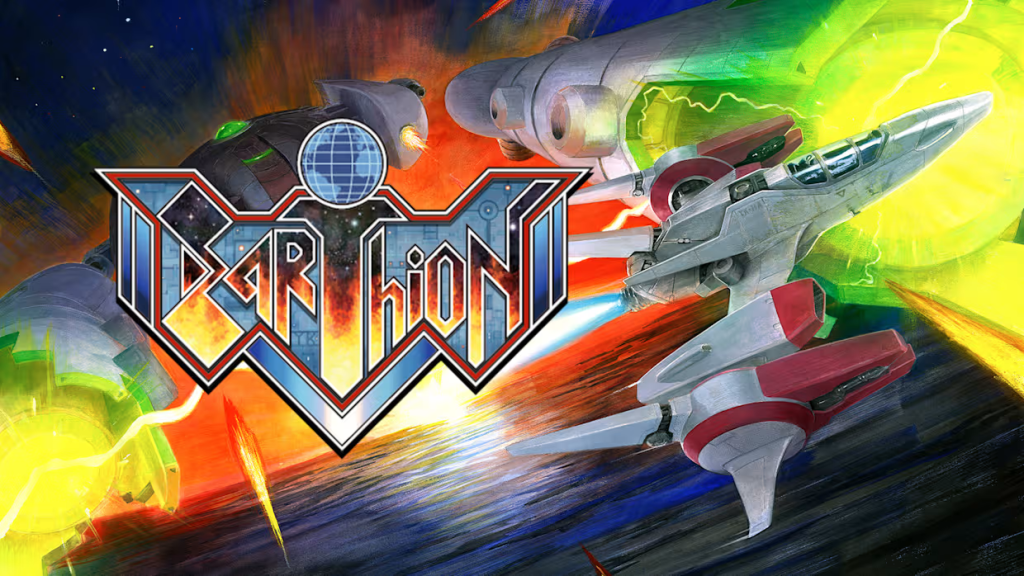
That brings us to my final cleared game of the year, Earthion, a side scrolling shmup that released in the middle of the summer.
To probably nobody’s surprise, I had a great time with it (but will be saving the tryhard 1CC attempts for later). I really vibed with the upgrade and subweapon system, sort of an intertwined risk-reward mechanic that occasionally replaces one of your sub-weapon slots with an upgrade pod that you have to carry as dead weight to the end of some of the game’s 8 stages. Upon completing the stage, you can choose between upgrades to either your main fire, sub weapon levels, additional sub weapon slots or just an extra life to get you on your way if you’re an Absolute Gamer and want a little insurance. As a Gradius enjoyer (I had picked up the arcade collection around the same time Earthion dropped and was flailing around with that for a bit) I knew I’d be seated for a Genesis-style throwback game, especially with industry giant composer Yuzo Koshiro at the keys for the OST.
What really makes Earthion tick, though, is judicious use of those varied subweapons; each stage layout seems to favor a different weapon pairing, like the aggressive front firing flamethrower for big beefy sub-bosses or the split-fire missiles that tag enemies beseiging you from above and below. Taking hits, unlike a lot of shmups, isn’t an instant kill (you have a regenerating shield), but get hit enough times without collecting powerup gems and you just lose your auxiliary weapons outright, leaving you in a precarious position to even get stage clears at all. It’s a really strong balance for replayability, and rewards you for actively swapping out instead of trying to hammer a nail with a wrench. Awesome game and I’m a little jealous of anyone who’s gonna end up playing it on a retro console, because a version exists that is absolutely made for it.
========================================
And that’s it! I think 30 games is probably the most I’ve ever rolled credits on in a single year, and despite the circumstances that got me I do hope I’ll be able to devote some more time to this hobby I love so much next year, including some stuff from 2025 I’ve gotta double back for. I’m planning on writing a bunch more in 2026 too, so stay tuned for more than just a lil recap action for every game I’ve played. Thanks so much for reading!
 Level-Headed